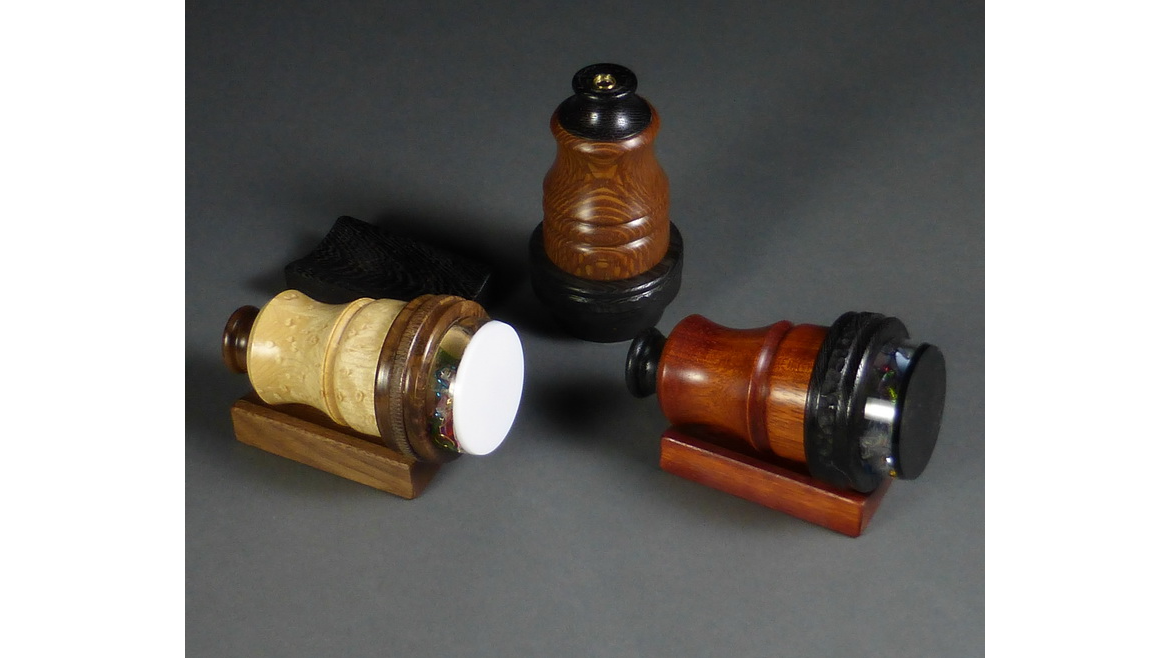
Key Takeaways
- Pocket kaleidoscopes prioritize convenience and portability, while tabletop models deliver superior image quality and viewing experiences
- First surface mirrors in larger tabletop kaleidoscopes create brighter, clearer images compared to compact portable designs
- Material quality separates toy-grade from art-grade instruments, affecting both durability and visual performance
- Interior design types like wheels, cells, and marbles dramatically shape the visual experience you’ll enjoy
- Your intended use, or whether you’re gifting one, should guide your kaleidoscope selection
Choosing between pocket and tabletop kaleidoscopes involves understanding a fundamental trade-off between convenience and quality. Each style serves different purposes, from quick entertainment on the go to immersive artistic experiences at home. Understanding these differences helps buyers make informed decisions that match their viewing preferences and lifestyle needs.
Hand-Held vs. Parlor Styles Define the Trade-Off
The kaleidoscope world divides into two primary categories based on size and intended use. Hand-held kaleidoscopes feature tube designs that enclose two or more reflective mirrors, typically crafted from turned wood, plastic, paper, glass, or polished metal. The entire scope fits comfortably in your hand and can be rotated as a unit to change the image, or the end containing objects may turn separately.
Parlor kaleidoscopes stand on tables with pedestal bases, designed for comfortable seated viewing. These larger instruments accommodate more sophisticated optical systems and can be made from virtually any material. Professional kaleidoscope makers like Steve Gray understand how size directly impacts the viewing experience, with larger instruments providing space for more complex mirror arrangements and object chambers.
This fundamental size difference creates the core trade-off between portability and image quality. Hand-held models excel at convenience, fitting easily into pockets or purses for viewing anywhere. Parlor models sacrifice portability for enhanced optical performance and more immersive visual experiences that can be enjoyed for extended periods without hand fatigue.
Pocket Kaleidoscopes Prioritize Convenience Over Complexity
1. Compact Design Limits Mirror System Size
Pocket kaleidoscopes face inherent constraints due to their small form factor. The limited tube length restricts mirror system dimensions, which directly affects image complexity and depth. Shorter mirror systems create patterns with fewer reflections and less intricate geometric formations compared to their larger counterparts. While these compact instruments still produce beautiful symmetrical patterns, the visual experience typically provides less immersion and detail.
The trade-off becomes apparent when comparing viewing angles and pattern multiplication. Pocket models often feature two-mirror systems that create simpler patterns, while larger tabletop versions can accommodate three or more mirrors for more complex geometric formations. This limitation doesn’t diminish the charm of pocket kaleidoscopes but sets realistic expectations for their visual output.
2. Simplified Object Cases Contain Fewer Diverse Objects
Space constraints in pocket kaleidoscopes limit the variety and size of objects that can be included in the image-creating chamber. Smaller object cases typically contain fewer colored glass pieces, beads, or other materials compared to tabletop models. This reduction in object diversity translates to less varied patterns and color combinations during viewing sessions.
The object movement also differs significantly in compact designs. Limited chamber space restricts how objects flow and interact, resulting in more predictable pattern changes. While pocket kaleidoscopes still create beautiful shifting images, the range of visual possibilities remains more constrained than what larger instruments can achieve.
3. Jewelry-Style Options Blend Function with Fashion
Jewelry kaleidoscopes represent the ultimate in portable design, worn as necklaces, rings, earrings, or pins. These miniature instruments require exceptional craftsmanship to create functional optical systems within extremely small spaces. Small gems often comprise the image-creating elements, while precious metals form the body.
Built-in lenses typically magnify the tiny images to compensate for the reduced scale. These pieces prioritize aesthetic appeal and wearability alongside functionality, making them conversation starters and functional art pieces. However, their viewing experience remains more limited than larger portable options due to the extreme size constraints.
Tabletop Models Excel in Image Quality and Viewing Experience
1. Larger Mirror Systems Create More Immersive Patterns
Tabletop kaleidoscopes accommodate significantly larger mirror systems that create more complex and immersive visual patterns. Extended tube lengths allow for longer mirror arrangements, producing deeper perspective effects and more intricate geometric formations. Multiple-mirror systems with and experimental angles become practical in these larger formats, creating surprising and immersive patterns instead of the classic star patterns common in simpler pocket designs.
The increased mirror surface area also enables wider viewing angles and larger image fields. Viewers can experience patterns that seem to extend beyond the eyepiece, creating a more engaging and meditative viewing experience. This enhanced immersion explains why many collectors and enthusiasts prefer tabletop models for dedicated viewing sessions.
2. First Surface Mirrors Improve Brightness and Clarity
High-quality tabletop kaleidoscopes often feature first surface mirrors, originally developed for space telescopes, which dramatically improve image quality. Unlike standard mirrors that reflect light from behind a glass layer, first surface mirrors have reflective coatings applied directly to the front surface. This design eliminates the double reflection that occurs with regular mirrors, resulting in brighter, clearer, and more vibrant images.
The precision alignment possible in larger instruments ensures optimal mirror positioning for maximum light efficiency and pattern clarity. Manufacturing tolerances that might be acceptable in pocket models become critical in high-end tabletop pieces, where perfect mirror alignment creates stunning visual effects impossible to achieve in smaller formats.
3. Diverse Object Cases Enable Dynamic Visual Effects
Tabletop kaleidoscopes can incorporate sophisticated object chambers that create varied and evolving patterns. Liquid-filled cells allow objects to move in slow, flowing motions that create gradually changing patterns perfect for meditation or relaxation. Dry cells provide quick shifts that remain stationary until moved again, providing different viewing experiences.
Interchangeable wheel systems let viewers customize their visual experience by selecting different object arrangements or themes. Some advanced models feature multiple wheels or chambers that can be rotated independently, creating layered effects impossible in simple pocket designs. These diverse systems transform tabletop kaleidoscopes into versatile artistic instruments rather than simple viewing devices.
Material Quality Separates Toy-Grade from Art-Grade Instruments
1. Mirror Types Impact Image Distortion
Mirror quality represents the most critical factor in kaleidoscope performance, directly affecting image clarity and color accuracy. Toy-grade instruments typically use polished metal mirrors that can create distorted reflections and reduced light transmission. These mirrors may develop scratches or oxidation over time, further degrading image quality.
Art-grade kaleidoscopes invest in precision glass mirrors with high-quality reflective coatings. First surface mirrors eliminate the ghosting effects common with standard glass mirrors, while precision manufacturing ensures perfect alignment that maintains geometric pattern integrity. The investment in superior mirror systems justifies the higher cost of professional instruments and explains the dramatic quality differences between price categories.
2. Construction Materials Affect Durability and Aesthetics
Premium kaleidoscopes utilize fine woods, polished metals, specialized glass, and precision-machined components that contribute to both durability and visual appeal. These materials resist wear and maintain their appearance over decades of use, making high-quality instruments potential heirloom pieces.
The craftsmanship extends beyond functionality to include artistic exterior designs that make tabletop models suitable for display when not in use. Many high-end pieces qualify as sculptural art that improves home decor while providing superior optical performance. This dual nature as functional instruments and decorative objects adds value that purely utilitarian designs cannot match.
Interior Design Types Shape Your Visual Experience
1. Wheel Systems Provide Controlled Pattern Changes
Wheel kaleidoscopes feature rotating discs with center axes attached to the mirror system end. These wheels turn in front of the mirrors to create images, providing controlled pattern changes that viewers can adjust at will. Fixed pattern wheels provide consistent designs, while wheels containing loose objects create varied patterns with each rotation.
Advanced carousel systems allow viewers to change or arrange objects manually, creating customizable visual experiences. Multiple wheel systems in high-end models enable layered effects and complex pattern interactions. The predictable nature of wheel systems appeals to users who prefer controlled visual experiences over random pattern generation.
2. Cell Kaleidoscopes Provide Fluid Motion Effects
Cell kaleidoscopes enclose loose objects in chambers that create organic movement patterns. Liquid-filled cells produce slow, flowing motions ideal for relaxation and meditation, while dry cells create quick shifts that remain stationary until the next movement. The organic nature of cell movement creates unpredictable patterns that surprise and delight viewers.
Some specialized cells use polarized lenses to create rainbow effects within the chamber, adding color variations impossible with traditional object arrangements. Puck-shaped cells, developed by skilled artists, provide unique form factors that influence how objects move and interact. Cell designs range from simple chambers to complex multi-compartment systems that create layered visual effects.
3. Marble and Wand Designs Create Unique Image Styles
Marble kaleidoscopes attach or suspend single marbles at the mirror system end, creating spectacular images from simple components. Artist-created marbles with internal patterns, colors, and structures produce complex images when viewed through precision mirror systems. Despite their conceptual simplicity, marble kaleidoscopes can deliver some of the most beautiful and varied patterns available.
Wand kaleidoscopes feature sealed glass or plastic tubes filled with objects floating in liquid, typically mounted perpendicular to the mirror system. Objects float past the mirrors in organic patterns, creating flowing images that change continuously. The three-dimensional movement within wands produces patterns impossible with flat wheel systems or static marble arrangements.
How To Choose An Artisan Kaleidoscope
Consider Intended Use: Travel vs. Dedicated Viewing
If you’re considering investing in an artisan scope, the decision between pocket and tabletop kaleidoscopes ultimately depends on how and where viewing will occur. Pocket models excel for travel, outdoor activities, and situations requiring portability. Their durability and compact size make them ideal for sharing with children or viewing in various locations throughout the day.
Tabletop kaleidoscopes serve different purposes, providing dedicated artistic experiences that reward focused attention. The stability of table mounting enables relaxed, prolonged viewing sessions without hand fatigue. Many collectors and enthusiasts prefer the superior image quality and immersive experience that only larger instruments can provide.
Consider lifestyle factors when making selections. Frequent travelers benefit from pocket models that provide entertainment during transit or waiting periods. Home-based users who value visual art and meditation might prefer investing in tabletop pieces that deliver superior optical performance and can serve as decorative elements when not in use. Many kaleidoscope enthusiasts ultimately acquire both types to match different viewing situations and preferences.
Consider Gifting One: A Thoughtful, Versatile Choice
If you’re considering gifting an artisan scope, whether pocket or tabletop, kaleidoscopes offer a rare combination of visual appeal, interactivity, and lasting value, making them a compelling gift choice across a wide range of ages and occasions. Unlike more passive decorative items, they invite ongoing engagement—each turn produces a new pattern, encouraging curiosity, focus, and a sense of discovery. This makes them especially suitable for children, who benefit from the sensory and educational aspects, as well as for adults seeking objects that provide moments of calm or creative inspiration.
One of the key advantages of kaleidoscopes as gifts is their versatility in form. Pocket kaleidoscopes are compact and easy to use, making them ideal for casual gifting, travel, or younger recipients. Their accessibility allows for immediate enjoyment, whether used as a simple visual toy or as an introduction to light, symmetry, and pattern. In contrast, tabletop kaleidoscopes offer a more substantial presence, often functioning as both interactive objects and decorative pieces. These are well suited to milestone occasions or recipients who appreciate craftsmanship and design, as they can be displayed as part of a home or office environment.
Kaleidoscopes also stand out as gifts that bridge art and experience. They do not rely on trends or technology, which gives them a timeless quality and extends their relevance over time. Whether given for birthdays, holidays, anniversaries, or professional milestones, they offer a balance of aesthetic interest and personal engagement that few objects achieve.
Ultimately, whether choosing a pocket or tabletop design, kaleidoscopes provide a meaningful alternative to conventional gifts—offering not just an object, but an experience that continues to evolve with each use.
Steve Gray Kaleidoscopes
1140 Old Jerome Highway
Clarkdale
Arizona
86324
United States