
Key Takeaways
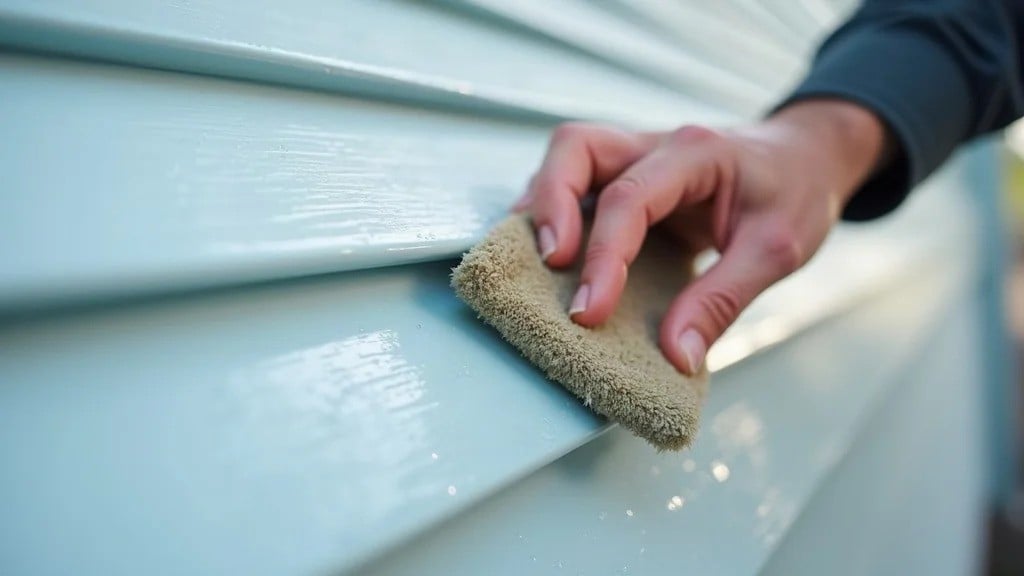
- Vinyl siding generally only needs occasional washing, while wood requires repainting or restaining every three to five years, or as needed, to prevent peeling and rot.
- Vinyl materials typically run less per square foot than wood, though total installed costs depend on home condition, labor, and the complexity of the project.
- Modern vinyl profiles can mimic cedar shakes and board-and-batten styles, closing some of the appearance gap with traditional wood siding.
- Wood stands up well to impacts like hail, but vinyl can be vulnerable to extreme heat or cold, raising the question of which trade-off matters more for a given home.
- Banner Construction notes that installation planning should include a close look at the existing exterior and any substrate or insulation needs before siding goes up – find more expert insights below.
Choosing new siding is one of those decisions that shapes a home’s look and its upkeep for decades. St. Louis homeowners weighing vinyl against wood are really weighing two different philosophies: one material that asks for very little attention once installed, and one that rewards regular care with a look many consider hard to fully replicate.
Getting this choice right means looking past first impressions and understanding how each material performs through St. Louis summers, winters, and all the seasons in between.
Vinyl or Wood: What Really Sets Them Apart
At the core, vinyl and wood siding differ in what they ask of a homeowner after installation day. Wood siding delivers a natural, textured look that many buyers associate with craftsman and traditional home styles, but that beauty comes with an ongoing relationship: refinishing, inspecting, and repairing as the seasons pass. Vinyl siding, built from rigid PVC, trades some of that organic texture for a product designed to resist moisture, pests, and fading with minimal attention.
The decision often comes down to priorities rather than a simple right-or-wrong answer. A homeowner restoring a historic property might lean toward wood for authenticity, while a busy household juggling other home projects might prefer vinyl’s lower-maintenance lifestyle.
Both materials have earned loyal followings for good reason, and the right fit depends heavily on climate exposure, the home’s architectural style, and how much time an owner wants to spend on upkeep down the road.
Appearance: Authentic Wood Look vs Modern Profiles
Wood siding has long been the benchmark for curb appeal, prized for its grain, warmth, and the way it ages into a home’s character. Cedar shakes, board-and-batten, and traditional lap wood siding each bring a distinct texture that many homeowners feel vinyl simply can’t match at first glance.
Modern vinyl siding has closed much of that gap. Today’s products come in profiles and textures made to resemble traditional lap siding, cedar shakes, and board-and-batten styles, giving homeowners a wide range of looks without the natural material underneath. Color options have expanded as well, with finishes built to hold their tone for years rather than fading quickly in direct sun. Homeowners who love the rustic charm of wood but want fewer headaches may find these vinyl profiles worth considering during the planning stage.
Maintenance: Washing vs Painting and Staining
Maintenance is often the deciding factor for homeowners who have already lived with one siding type and are ready for a change. The gap between wood and vinyl here is significant, and it shapes the real cost of ownership far more than the sticker price on installation day.
Why Wood Needs Ongoing Attention
Wood siding needs an initial protective finish to guard against pests and moisture, and that finish does not last forever. Repainting or restaining every three to five years, or as needed, is typical, and skipping this step invites peeling, fading, and eventually rot. Beyond the cosmetic work, wood siding calls for regular inspection, since small cracks or gaps can let moisture behind the boards before anyone notices a problem. Homeowners who choose wood should budget both the time and expense of this cycle as part of owning the material, not as an occasional extra.
Why Vinyl Stays Low-Maintenance
Vinyl siding, by contrast, generally needs only occasional washing to stay looking fresh. There is no sanding, scraping, or repainting involved, since the color is built into the material during manufacturing rather than applied afterward. This makes vinyl an appealing choice for homeowners who want a clean, consistent exterior without setting aside a weekend every few years for refinishing work. The trade-off is that vinyl’s protective qualities come from the material itself, so proper installation matters a great deal in keeping that low-maintenance promise intact.
Moisture, Durability, and Weather Exposure
St. Louis weather swings from humid summers to freezing winters, and that range puts real stress on exterior materials. How each siding type handles moisture and temperature extremes often matters more over time than how it looks on installation day.
Wood’s Vulnerability to Rot, Warping, and Pests
Wood siding can warp or peel when exposed to repeated moisture, and it requires continuing attention to prevent rot and pest problems from taking hold. Insects and woodpeckers can also target wood exteriors, adding another layer of vigilance for homeowners to manage. Wood siding can last for decades when properly installed and maintained, but poor installation work can lead to rapid rot, a point Fine Homebuilding has made in underscoring how much installation quality affects long-term performance.
Vinyl’s Resistance and Its Weak Points
Vinyl resists moisture, insects, and rot far better than wood, thanks to its non-porous rigid PVC construction. Premium products often add impact resistance, color-retention technology, and interlocking panel systems that help the material stay put and resist moisture infiltration over time. That said, vinyl is not invulnerable: it can be vulnerable to extreme-weather impacts, and repairing an isolated section of damage can be more difficult than patching a wood panel, since matching an aged color exactly is not always possible. Vinyl can also crack, melt, or burn under certain conditions, as Consumer Reports has pointed out, a reminder that no exterior material is entirely maintenance-free or damage-proof.
Comparing Upfront and Long-Term Costs
Cost comparisons between vinyl and wood siding should separate material price from total installed price, since labor, prep work, and home complexity can shift the final number considerably. Vinyl typically costs less upfront than wood, but maintenance and repair costs over the years can narrow or widen that gap depending on how diligently a homeowner keeps up with wood’s finishing schedule.
A few data points help illustrate the spread homeowners might expect to see in quotes:
- Replacing siding on a 1,500-square-foot home runs around $5,500 to $7,000 installed for vinyl, compared with roughly $10,000 to $11,000 for wood, assuming no major repairs are needed underneath.
- Vinyl siding installation on a 2,000-square-foot home has been estimated at $6,370 to $18,250, with the range driven by home complexity, local labor rates, and whether existing siding needs to be removed first.
- Wood siding can last 20 to 40 years or more with maintenance roughly every five years, while vinyl can last 40 years or more with its lighter maintenance routine.
These figures point to the same underlying lesson: the lowest material price is not always the lowest long-term cost, and the right comparison weighs installed price against the maintenance commitment each material demands.
Planning Your Installation: What Contractors Check
Before any siding goes up, a thorough look at the existing exterior helps avoid costly surprises later. Installation planning typically includes examining the current siding and sheathing for hidden damage, then addressing any substrate or insulation needs before new material is attached. Skipping this step can mean covering up a problem rather than solving it, which tends to cost more to fix once it resurfaces.
Homeowners comparing contractor quotes should ask how each company handles this preparation phase, since it affects both the quality of the final installation and the accuracy of the quoted price. A contractor who inspects thoroughly before quoting is more likely to deliver a number that holds up once work begins, compared with one who prices from a quick exterior glance alone.
Choosing What Fits Your Home
The right siding choice depends on balancing a few honest questions: how much time is available for ongoing maintenance, how much upfront budget makes sense, and how much the home’s architectural style benefits from wood’s natural texture versus vinyl’s engineered consistency. A historic home in a neighborhood celebrated for its original woodwork might call for wood siding to preserve character, while a busy family home might benefit more from vinyl’s wash-and-go simplicity.
Climate exposure matters too. Homes with significant sun exposure, heavy tree cover, or proximity to sprinklers and moisture sources should factor that into the decision, since both materials respond differently to sustained dampness or heat. Weighing appearance, maintenance tolerance, durability needs, and installed cost together, rather than focusing on just one factor, tends to produce a choice homeowners feel good about for years to come.
For homeowners ready to compare options side by side, Banner Construction has more resources on siding installation options designed for St. Louis’s climate as a next step to turn these considerations into a clear plan.
Banner Construction
1177 N Price Rd, St. Louis, MO, 63132
St. Louis
Missouri
63132
United States


